
Skilled Trades Careers in Calgary, Alberta: Plant Jobs, Certifications, Eligibility, and Where to Get Help
If you want a well-paid plant or industrial job in Calgary, the most reliable route is to get certified in a skilled trade. In Alberta, that usually means registering as an apprentice, working under a certified tradesperson, and completing paid on-the-job hours plus short blocks of classroom training until you earn your journeyperson certificate. Trades like millwright, instrumentation technician, welder, pipefitter, and power engineer are the ones that plants, refineries, and manufacturers around Calgary hire for again and again.
The timeline is longer than a typical job hunt. Most apprenticeships take about four years, though you earn a paycheque the whole way through, and you don’t need a degree to start. What you do need is a clear idea of which trade fits you, whether you qualify, and who to call first.
That’s what this guide covers. We’ll walk through what the main trades and certifications actually are, who’s eligible (including newcomers with training from other countries), how to apply, what your rights and responsibilities are, and where to find free help right here in Calgary.
How Alberta’s Trades System Works and Which Certifications Lead to Plant Jobs

Plant-Focused Trades and the Certifications Behind Them
Plants and processing facilities in the Calgary region lean on a handful of trades again and again. Here’s a quick tour of the ones you’ll hear about most, and what each one leads to.
| Trade | What the work looks like in a plant | Certification or credential | Compulsory or optional |
|---|---|---|---|
| Power Engineer | Runs and monitors boilers, turbines and steam systems that power a facility | Power engineer certificates by class (Fourth to First) | Compulsory |
| Process / Gas Plant Operator | Watches control systems, adjusts equipment and keeps production safe and steady | Process operator or gas plant operator pathways, often with Power Engineer classes | Varies by role; confirm with Alberta |
| Instrument Technician | Installs, calibrates and repairs gauges, sensors and control devices | Journeyperson certificate | Compulsory |
| Millwright / Industrial Mechanic | Installs, maintains and repairs pumps, compressors and other heavy equipment | Journeyperson certificate | Compulsory for Millwright (confirm Industrial Mechanic) |
| Pipefitter, Welder, Electrician | Builds and repairs piping, welds structures and keeps power and controls running | Journeyperson certificate (Electrician can specialize as Industrial Electrician) | Pipefitter and Electrician compulsory; Welder optional in many cases |
Heavy Equipment Technicians keep the mobile machinery and trucks that support a site running, and they earn a journeyperson certificate through the same system. Most of the trades above follow the path of apprenticeship to journeyperson which mixes paid on-the-job time with yearly technical training.
Power engineering works a bit differently. Instead of a single journeyperson ticket, you move up through classes, with each one qualifying you to run larger or more complex plants. If you’re curious about how those classes work, this Alberta guide breaks the steps down in plain language.
Don’t worry if the process operator and gas plant operator routes feel a little fuzzier. Job titles and training expectations can differ between employers, and requirements do change over time. Before you commit to a course or a trade, check the current details on Alberta’s official apprenticeship and occupation tools, and ask a prospective employer what they look for. That quick check can save you real time and money.
Extra Tickets Plant Employers Often Ask For
Your trade certification gets you in the conversation, but most plant employers also expect a handful of short safety tickets before you set foot on site. Think of them as your site-ready toolkit. They’re usually one- or two-day courses, and many workers collect them early so they can say yes quickly when a job comes up.
Here are the ones you’ll see asked for most often:
- H2S Alive: teaches you how to recognize and respond to hydrogen sulfide, a hazard common around oil and gas facilities.
- First Aid/CPR: covers basic emergency response until medical help arrives.
- WHMIS: explains how to read hazardous product labels and safety data sheets.
- Ground Disturbance: shows how to dig safely near buried pipelines and utilities.
- Confined Space Entry: covers working safely in tanks, vessels, and other tight enclosed areas.
- Fall Protection: teaches you to use harnesses and anchor points correctly when working at height.
Not every job needs every ticket. A process operator might lean on H2S Alive and First Aid, while a millwright or pipefitter may also need confined space and fall protection. The employer’s job posting or site orientation will usually spell out what’s expected.
You don’t have to guess which providers to trust. Many employers, unions, and training schools in Calgary can point you to approved courses, and some will even arrange or cover the cost for new hires. It’s worth asking before you pay out of pocket. Keep your certificates organized, since expiry dates vary and you’ll often need to show proof at the gate.
Who Qualifies: Eligibility Requirements for Alberta Trades Certification

Newcomers and Internationally Trained Workers
If you’re arriving in Calgary with trades experience from another country, you already have a real head start. Alberta’s system is built to recognize skills gained elsewhere, so you won’t necessarily be starting from zero.
In general, your training and work history are reviewed to see how they compare with Alberta’s standards for your trade. Depending on the trade, that can mean assessing your hours of work, your technical training, and sometimes your knowledge through an exam. You may also be asked to complete a bit of upgrading or safety training before you can work on site.
This is where documentation matters. Gather what you can before you come, or have family back home send it along: trade certificates, school transcripts, letters from past employers describing your duties and dates, and proof of hours worked. Translations may be needed if your papers aren’t in English. Clear records can save you weeks of back-and-forth.
Be realistic about timing. Credential assessment, exams, and any extra training can take months, and sometimes longer, so plan your finances with that in mind. Many newcomers take an entry-level role first and build toward full certification from there. It’s a common and respected path.
On the immigration side, several work permit options and permanent residence streams place value on trades experience. Rules and eligibility change often, so check the official Government of Canada and Alberta immigration websites for current details rather than relying on word of mouth. A settlement agency in Calgary can also help you make sense of your options for free.
How to Apply and Complete Your Apprenticeship, Step by Step
Funding, Wages, and Costs While You Train
Here’s the good news about the money side of things: apprentices get paid to learn. During your on-the-job hours, your employer pays you wages, and those wages typically rise as you move through each level of your apprenticeship. So you’re earning a paycheque while you build toward your certificate, which is a big reason many newcomers and career changers choose this route.
Training costs are a different story, and it helps to plan for them early. Technical training at a school like SAIT comes with tuition and fees, and you’ll likely need to buy your own tools, work boots, and safety gear. Some trades ask for a bigger tool investment than others, so ask what’s expected before you start. If you need to find local training supplies a little research on Calgary shops can save you a surprising amount of money.
The good news is that help is out there. Grants, student loans, and Employment Insurance benefits during your technical training periods may be available to eligible apprentices. Because eligibility rules and amounts change over time, check the official Alberta apprenticeship pages and the Government of Canada website for current figures rather than relying on numbers you find elsewhere.
Your Rights and Obligations as an Apprentice or Certified Tradesperson

Working in a plant in Alberta comes with protections, and it also comes with a few responsibilities that keep you moving toward your ticket. Here’s the short version, so you know where you stand from day one.
| What you can expect | What is expected of you |
|---|---|
| A safe workplace under Alberta’s occupational health and safety rules | Follow site safety rules and wear the required protective equipment |
| The right to refuse work you reasonably believe is unsafe | Speak up about hazards and report them promptly |
| Fair pay and employment standards protections | Keep your hours and records up to date |
| Time and support to attend technical training | Attend training and meet exam and renewal requirements |
| Real learning on the job under a certified worker | Work only within the scope of your certification in compulsory trades |
Think of the left column as your safety net and the right column as your part of the deal. If you ever refuse unsafe work, tell your supervisor right away and explain why. Employers can’t punish you for raising a genuine safety concern, and most good ones would rather hear about a problem early.
On the obligation side, record-keeping trips up more people than you’d think. Log your hours as you go instead of trying to remember them months later. Missing paperwork can slow your progress toward the final exam.
In compulsory trades, doing work you aren’t yet certified for is a real problem, even if a coworker asks you to help. It’s perfectly fine to say, “I’m still training on that, who can supervise me?”
If something feels off about pay, hours, or safety, check Alberta’s official employment standards and OHS pages. You’re allowed to ask questions.
Where to Get Help in Calgary and Alberta
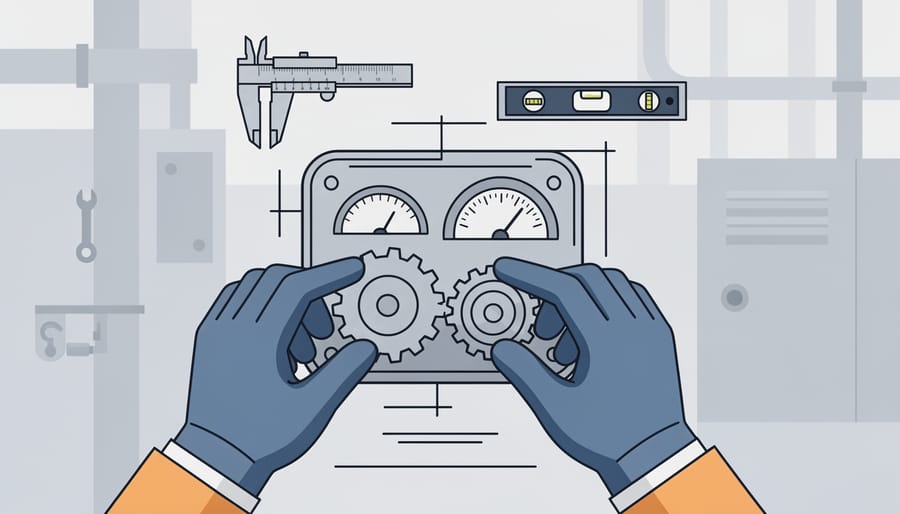
You don’t have to figure out the trades system alone. Calgary has plenty of people whose job is to help, and most of it is free or low cost. Here’s where to look:
- Government: Alberta’s apprenticeship and trade certification services, plus federal immigration sites, are the best place to confirm current requirements.
- Schools: Calgary’s post-secondary trades schools, such as SAIT, offer technical training and can explain how each program works.
- Unions and industry groups: Union training centres and industry associations know which employers are hiring and what skills they want.
- Newcomer settlement services: Local agencies help with credential questions, résumés, and finding a trades pathway, and our guide to support for newcomers is a good place to start.
One habit will save you money and stress: check an official site before you pay for any course or service. Requirements and program details change, and the government pages are always the most current. Those same pages are also free to use.
Be cautious, too, if anyone promises a guaranteed job or a certificate in exchange for a fee. Real trades certification comes through registered apprenticeship, approved training, and exams, not a quick payment. If an offer sounds too easy, pause and verify it with the provincial apprenticeship office or a local settlement agency before you hand over any money.
Common Questions About Plant Jobs and Trades Careers in Calgary
Plenty of newcomers have the same handful of worries before they take a first step. Here are the ones we hear most, with answers that should hold up even as details change.
Do I need a certificate to work in a plant?
For many skilled roles, yes. Trades like power engineer, millwright, and pipefitter generally require certification. Some entry-level or helper jobs don’t, so it depends on the role and the employer.
How long does it take to become certified?
Apprenticeships usually run several years, combining paid on-the-job hours with yearly technical training. The exact length depends on the trade, so check the requirements for the one you’re considering.
Can I work while I train?
Yes, and that’s the point of an apprenticeship. You earn a wage while logging your on-the-job hours, then attend technical training in blocks during the year.
Is my certificate from another province or country accepted?
It may be, but it’s assessed case by case. Gather your documents early and confirm the process with Alberta’s apprenticeship and trade certification services, since requirements can change.
Are there entry-level plant jobs without a trade ticket?
Often, yes. Labourer, helper, and trainee roles can be a way in, especially if you hold basic safety tickets. Many people use them to learn the site and then look for an employer who will sponsor an apprenticeship.
Where can I find safety courses?
Calgary’s training providers and post-secondary schools offer short courses like H2S Alive, First Aid/CPR, and WHMIS. Ask a prospective employer which providers they accept before you pay for anything.
If your situation doesn’t fit neatly into any of these answers, that’s normal. Everyone’s background is different, and the official Alberta apprenticeship and immigration websites are the best place to confirm current rules before you commit time or money.
Building a skilled trades career in Calgary comes down to a few clear steps: understand how the trades system works, check that you qualify, find an employer and start your apprenticeship, know your rights on the job, and lean on the local help that’s out there. None of it has to happen overnight, and plenty of people before you have done it while settling into a new city.
If you’re still finding your feet, pick one small step this week. Look up the requirements for a trade that interests you, or reach out to a training provider here in Calgary and ask a few questions. That’s often all it takes to get moving.
Once your career gets going and you’re putting down roots, you’ll pick up other skills along the way, even simple home maintenance habits that make a new place feel like yours. Calgary has room for people who are ready to learn and build something lasting, and we’re glad you’re considering making it home.